What Daily Habits Actually Help Employees Maintain Resilience at Work?
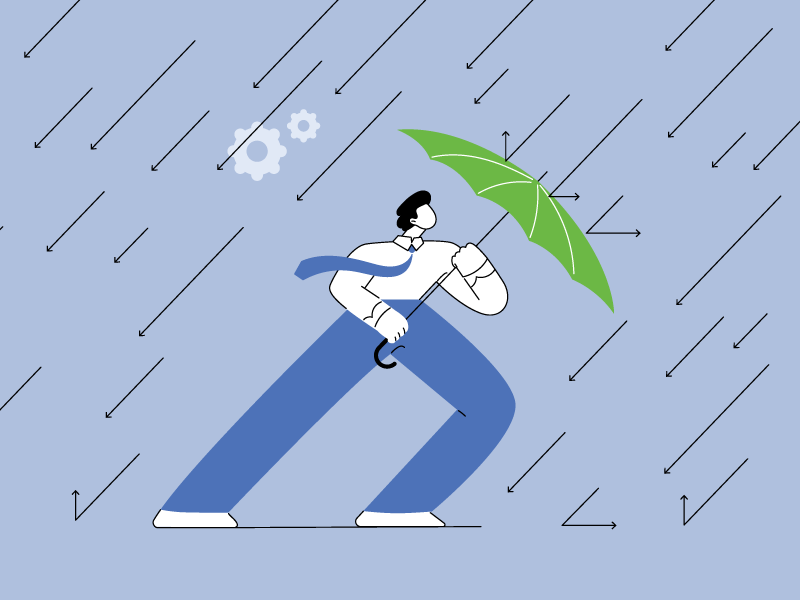
“When leadership creates instability, even the best habits collapse.”
Photo attributed to The European Business Review
When people talk about resilience at work, it is usually framed as something employees should develop on their own. Manage your stress better. Take time off when you need it. Figure out how to bounce back.
In my experience, that conversation rarely happens in a meaningful or structured way inside organizations.
I spent years in corporate environments, including high-pressure roles, and I do not remember resilience ever being discussed as a daily practice. There were conversations about performance, productivity, and hitting goals. There were habits tied to the job itself. But resilience was either assumed, ignored, or treated as something people should figure out privately and bring with them to work.
That gap matters. Because when resilience is left undefined and unsupported, people default to survival mode.
As a corporate resilience speaker who works with leaders and high-performing teams, I have seen that the issue is not that employees lack discipline or motivation. It is that most organizations have never created a clear, proactive structure for how resilience is built day to day.
Why Daily Resilience Habits Are Rare at Work
Most resilience guidance in the workplace is reactive. It shows up after people are already exhausted.
Someone burns out, and the solution becomes time off. A team hits a breaking point, and leadership introduces a wellness session. A stressful season ends, and everyone is told to rest before the next one begins.
What is missing is a shared understanding of how employees are meant to operate before stress becomes overwhelming.
Without that clarity, resilience turns into something employees manage quietly on their own, often while still meeting the same expectations and deadlines. That is not resilience. That is endurance.
What Resilient Employees Actually Do Differently
In environments where resilience does show up, it is rarely loud or dramatic. It is subtle, practical, and often learned informally rather than taught.
From what I have observed, employees who appear more resilient tend to do a few things consistently.
They decide how they will approach the day before the day approaches them.
Rather than internalizing every meeting, message, or last-minute change, they make an internal decision that not everything warrants an emotional reaction. This does not mean they care less. It means they are intentional about what they spend mental energy on.
They pay attention to their internal signals.
They notice when they are becoming short-tempered, rushed, avoidant, or confused. Instead of pushing through blindly, they recognize those signals as data. That awareness allows them to adjust before stress compounds.
They create structure for their work, even when the environment is unstructured.
Simple practices like documenting priorities, maintaining clear task lists, and closing loops at the end of the day reduce mental clutter. This may seem basic, but it is one of the most consistent differences I have seen.
They build in recovery, especially after high-pressure moments.
In roles like sales, where intensity comes in waves, resilience shows up in how people recover after launches, busy seasons, or major pushes. Without recovery, even high performers eventually stall.
What stands out is that none of these habits are extreme. They are quiet, repeatable actions that protect mental energy over time.
Why These Habits Do Not Exist in a Vacuum
Here is where the conversation often stops short.
These habits are only sustainable when leadership creates the conditions for them to exist.
→ Employees cannot speak up if honesty is punished.
→ They cannot take breaks if flexibility is viewed as a lack of ambition.
→ They cannot ask for help if doing so labels them as a problem.
→ They cannot pace themselves if chaos is constant and priorities are never clear.
Without addressing this, teams stay silent about real issues because they learned that raising concerns came with consequences. Employees overextend themselves not to grow, but to avoid being overlooked. Over time, that erodes trust, creativity, and morale.
When leadership creates instability, even the best habits collapse.
The Difference Between Managing and Being Resilient
One important distinction is worth naming.
Many employees are not resilient. They are managing.
They are adjusting their calendars, negotiating flexibility, or finding workarounds to survive competing demands. That is resourcefulness, but it is not resilience.
Resilience shows up when people can make clear decisions, contribute creatively, and stay grounded under pressure. It feels different. The energy is different. The work is different.
As an executive leader, I recognize this difference in myself. When I slow down, prioritize clearly, and stop operating in constant urgency, my decision-making improves and my creativity expands. I need less recovery because I am not draining myself unnecessarily.
That same principle applies inside organizations.
What Is Overused and What Is Missing
Much of the advice around workplace resilience focuses on surface-level actions. Take a walk. Just relax. Use your time off.
Those things are not wrong, but without a system, they are insufficient.
What is missing is a proactive approach that helps employees build resilience before they reach a breaking point. Daily practices should prepare people for pressure, not just help them recover from it.
Resilience should not depend on whether someone happens to stumble upon the right coping mechanism at the right time.
What This Means for Leaders and Organizations
If employees struggle to maintain resilience, it is rarely because they are unwilling.
More often, it is because the organization has not created a structure that supports it.
If daily resilience habits are inconsistent or absent, it is worth asking whether the environment makes those habits possible. Systems, expectations, and leadership behavior either reinforce resilience or quietly undermine it.
A Question Worth Sitting With
If your employees cannot consistently practice habits that support resilience, is it really a motivation issue, or is it a systems issue?
And what daily conditions are you creating that either support resilience or make it harder to sustain?